We’ve all been there: standing in a gift shop, surrounded by beautifully wrapped boxes of what should be perfect for Dad. You settle on the classic tie or the gadget he technically needs, only to watch him subtly shrug it off. It feels like you've failed at being thoughtful, and suddenly, that nagging question surfaces: What if my dad prefers experiences over things?
If this scenario describes your recent gift-giving struggles, take a deep breath. You are not failing; you are simply encountering a common shift in modern appreciation. The material culture of the past—where status was often measured by ownership—is giving way to a deeper human need: connection. Understanding this subtle but profound pivot is the first step toward becoming the perfect gift-giver, regardless of your budget or taste.
Decoding the Shift: Why Experiences Win Over Stuff
To truly solve the mystery of his tastes, we have to look at psychology, not product placement. The preference for experiences isn't a rejection of you; it’s an evolution in how people define value. When we buy things, we get temporary satisfaction—a fleeting dopamine hit that quickly fades into clutter. But memories? Memories are compound interest on emotional investment.
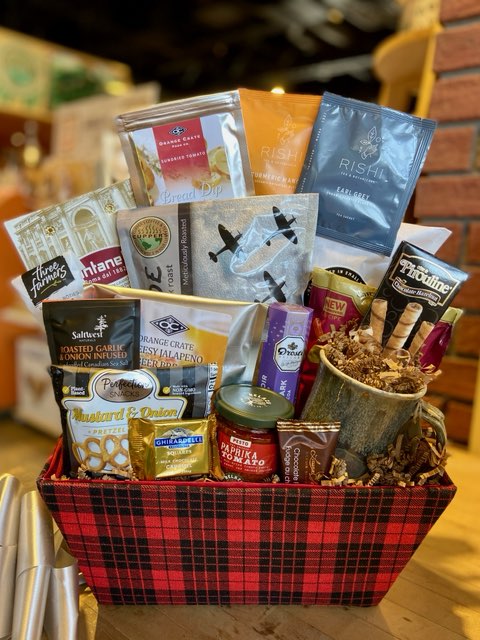
Experiences provide narratives. They give him stories to tell, moments to revisit when the day is dull, and shared laughter that only exists between two people who were there together. Think of it this way: a new pair of shoes will look fantastic for three weeks; the memory of hiking through a beautiful canyon with you? That lasts a lifetime. How profound is that difference?
One friend recently told me about her father who used to complain about the price of everything until she started giving him "time vouchers"—a promise, redeemable later, for an activity like fishing or visiting a local museum. His reaction wasn't just gratitude; it was genuine surprise at how much joy simple coordination could bring. It showed her that sometimes, the most expensive gifts are simply organized time.
From Shopping Cart to Adventure: Planning Thoughtful Activities
The biggest hurdle when shifting from physical goods is knowing where to start. How do you package "fun" into a gift? The key is focusing on shared participation and intrinsic value. Here are several ways to translate the abstract idea of an experience into actionable plans:
- Nostalgia Trips: Does he have fond memories of your childhood home's neighborhood, or perhaps where you spent holidays together years ago? A day trip back to that location—even just a meal at the old diner—can be incredibly powerful. Skill-Based Workshops: Instead of buying him a woodworking kit (a thing), book a local woodworking class for both of you (an experience). You learn something new, and he gets to show off his skills while creating a shared memory. The Culinary Journey: Plan a "taste tour" through your city's best ethnic foods—Vietnamese pho followed by Italian cannoli. The gift isn't the food itself; it’s the itinerary you curated together.
When considering these, ask yourself: What makes him laugh? What did he always talk about with wistful fondness? These clues are goldmines that point toward meaningful experiences, answering even deeper questions like what if my dad prefers experiences over things?
Making Memories Last: Giving Tangible Evidence of the Unseen
Some might think that since an experience Brisbane is fleeting, it can't be gifted. But we can absolutely make them feel more permanent. The trick is to gift the documentation or the tools for future memories, rather than https://rentry.co/dutdubgz the memory itself.
This involves shifting focus from the finished product (the photo album) to the process of capturing moments. Consider these ideas:
The Memory Jar: Fill a beautiful jar with handwritten "date ideas" and small notes about shared inside jokes or favorite quotes. It’s a constantly refreshing source of potential fun. Curated Playlists/Podcasts: If he loves music, spend time creating a playlist that maps to different phases of your relationship, complete with personalized descriptions for each song explaining why it was chosen. This is deeply personal and costs virtually nothing but time. The Photo Scavenger Hunt: Don't just give him photos; create a physical scavenger hunt where the clues lead him to locations or objects that spark memories of shared times. It turns viewing into an adventure.As one expert in behavioral economics notes, "People rarely regret spending money on experiences." This principle applies perfectly: the emotional return far outweighs the initial cost.
Designing Connections for Years to Come
Ultimately, solving the riddle of what if my dad prefers experiences over things is about changing your mindset from provider to curator. You are no longer purchasing goods; you are curating quality time and shared vulnerability. This approach deepens the bond far more effectively than any gift card ever could.
It requires a willingness to be present—to put down your phone, listen actively, and truly participate in the moment with him. If you focus on building reliable routines of connection, those moments become predictable treasures. Why wait for a special occasion when you can make every Tuesday feel like an adventure?
The shift from material acquisition to experiential value is happening across demographics, not just among dads. It’s a powerful reminder that love and appreciation are best exchanged in the currency of time. By treating your efforts as investments in shared laughter and novel moments, you guarantee returns far greater than any retail purchase could ever deliver. Start small, be observant, and watch how effortlessly the connection strengthens.
The Next Chapter: Building a Legacy of Shared Moments
To keep this momentum going past gift-giving season, commit to regular Connection Challenges. These don't require money; they just require intention. Challenge yourselves monthly with activities that force novelty—visiting a neighborhood you’ve never seen, trying a recipe from a foreign country, or simply having an uninterrupted conversation for 30 minutes about something other than work or logistics. By making the pursuit of shared experiences a habit, you ensure that your relationship remains a vibrant tapestry woven with rich memories, far surpassing the shine of any material object.